Posts

Showing posts with the label code 4

Nature Note #128: Adventures in Pennsylvania: Trumpet of the Swan

Image
As my last weekend in Pennsylvania draws to a close, I decided on Friday night to go birding somewhere. But as I searched the local hotspots for migrants (which have since been growing thin as the main songbird species such as warblers have all but gone), I couldn't find an ideal spot. I had mentioned to friends at work about my interest about going to Hawk Mountain, but recent counts suggested that the "good" species had already filed through. So as I clicked on the lists and links of eBird, my eye was drawn to local sightings of Rusty Blackbirds ( Euphagus carolinus ), a particularly hard bird to locate due to their scarcity (their population has declined 99% in the past 50 years or so) and habit of sticking to small flocks of their own kind. A park about 45 minutes north of Horsham had hosted the birds within the past week and seemed to be worth a look. The report also detailed the presence of a juvenile Brant ( Branta bernicla ) that had been grazing on the shore of...
On the Wing #63: Pink-footed and Giddy

Image
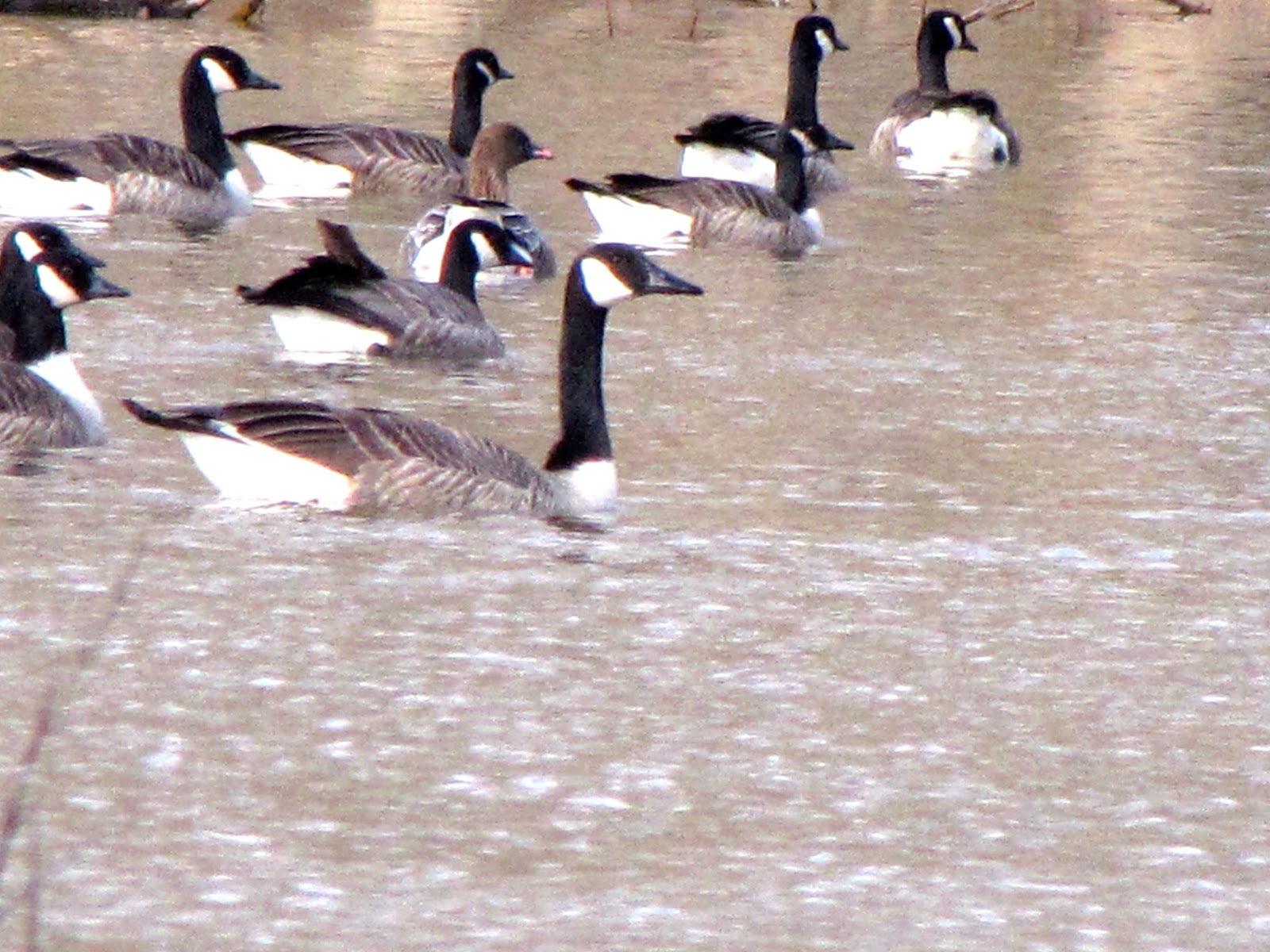
Something has been lurking in North Jersey this winter. An unfamiliar species with dark plumage, silver wings, and pink feet! For two days in a row, I got to see this European species in all its rare, code 4 glory. In case you're confused, a Pink-footed Goose ( Anser brachyrhynchus ) (of Big Year movie fame) has been spotted wintering in the fields and marshes of North Jersey. This ABA code 4 (the American Birding Association code 4 designation indicates a casual visitor to a given region meaning that while they've occurred in the general area before, but the likelihood of it occurring year after year is extremely unlikely) was an excellent addition to my life list. The inclusion of a quality zoom on a good camera made documenting this species a delight! After reading reports from a day earlier (March 21st), I decided to check out Assiscong Marsh in Flemington, New Jersey where it had been spotted most recently. It's always a rush to see such rarities in the wild, bu...